define('DISALLOW_FILE_EDIT', true);
define('DISALLOW_FILE_MODS', true);
We used many different technologies when remodeling our first house. In the process, we learned that 30% of the energy created in California is used by residential consumers. That energy is produced by a variety of sources, but still predominately by burning fossil fuels. So here are some of the products we used.
Power & Power Conservation
Solar = Clean Electricity
The solar panels on the roof will provide 2.6 kilowatts of clean electricity. In tandem with energy star appliances and lighting the house will lower monthly the monthly energy bill. Clean electricity means that the energy is produced by a system other than a power provider, say a local utility company.
In the Loop
We used an integrated hot water tank / forced-air heating system. We chose The PHOENIX – a 97% efficient system. The hot water from the tank loops into the forced-air heater, and the heat is reused for the home. There are two cold air returns with filters on the ground floor that clean the air, and a hydronic air handle with an exterior intake valve that allows for complete interior air changes. Working in conjunction with the insulation, a system such this system provides exceptional heating with minimal energy use
Energy Star Lighting
We added LED lighting on the right side going up the stairs. LEDs use even less power then CFLs and they do not have any mercury so disposal is not a HazMat issue.
Energy Star Appliances
For efficiency purposes we used and energy star rated refrigerator, dishwasher, stove, microwave, washer and dryer.
Natural Light
In the great room of the house we included a 4 foot round skylight which will provide natural light. We also included skylights in a hallway and above the staircase for to increase the natural light, and reduce the need for flipping on a switch. — Sustainable Schmidt
It was not so long ago that we had an enormous amount of momentum to make real progress fighting climate change. But the Republican party & conservative movement have mobilized all their resources against us, and for the moment, we are loosing. It is David vs Goliath, and we are David…
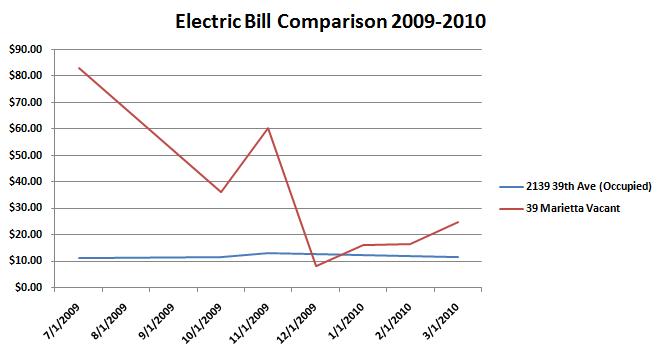
Hey, Andy here with another post – After analyzing months of PG&E bills from two houses, I put them into excel in order to compare their data. Below you will see a graphical comparison of monthly gas and electric bills between a house on Marietta Drive that is unoccupied and the sustainable house on 39th Ave occupied by a family of four…(To enlarge the graphs, click the image)
As you can see, the house occupied on 39th Ave is constantly paying less for their gas each month, a result of its efficiently and sustainability.
You will see in this graph that the electric bill paid in the occupied house is far less than that of the vacant. The 39th Ave. household has very steady payments not because it uses less, but rather because it has more efficient installations such as high efficient insulation, energy star appliances, energy star lights, and energy star windows (just to name a few!).
These numbers do not lie and show that sustainable changes do pay off!
df asf saf saf sadf asf saf saf sadf asf saf saf sadf asf saf saf sa
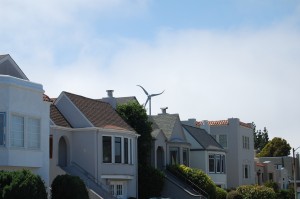
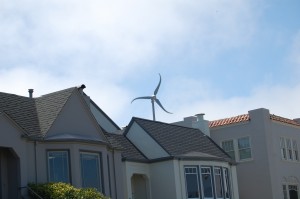
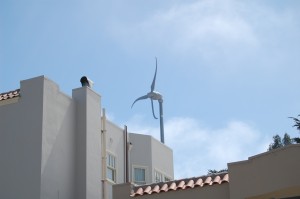
Solar power is so hot right now it is easy to forget about alternate sources of home power. But just as the thought of rooftop photovoltaic panels probably sounded uber green 10 years ago, in 10 years we may well see more houses with these:
I have been watching this windmill spin in the Forrest Hills Extension neighborhood of The City for some time now. I think it takes some big hairy balls to be willing to erect one of these on your block, and I approve. This is radically unknown territory for your average home owner, and not every contractor, electrician or even inspector from the Department of Building Inspection is going to know what to do with a home windmill. Obviously though, it can be done, and in windy locals it makes sustainable sense. One big disadvantage to Solar Panels like the ones I have on my house is that they do not work at night. But the wind can blow 24/7, so having the capacity to generate at all times is great. Now my electrical bills with a 2.3 Kilowatt solar system is $11.22 for this past month (PG&E bill just came) but this has been summer with longer days and up to 2,000 watts generate each hour. I know it will drop when winter comes, and something like a windmill would is a tempting addition. Not 100% sure what the wife will say though…

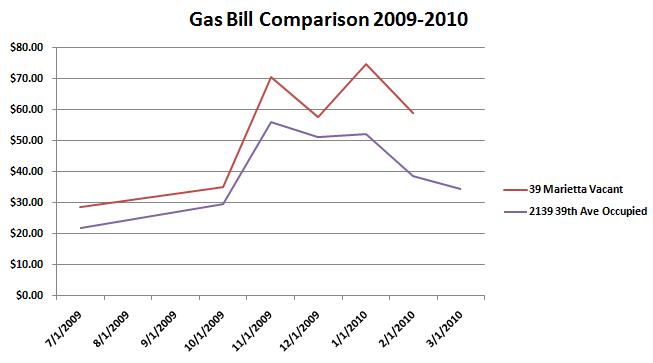




 These numbers do not lie and show that sustainable changes do pay off!